Process & Craft
Impossible, Until It Is Not
Designing a twisty puzzle is not a single skill. It’s CAD software taught from YouTube tutorials at midnight, tolerances calculated to fractions of a millimetre, prints that fail at the eighty percent mark, and a handful of people who showed up with exactly the help that was needed, exactly when it was needed. This is what actually happens between a sketch on a notepad and a puzzle in someone’s hands.
Prefer to watch than read? This covers the same ground.
From Screen to Object
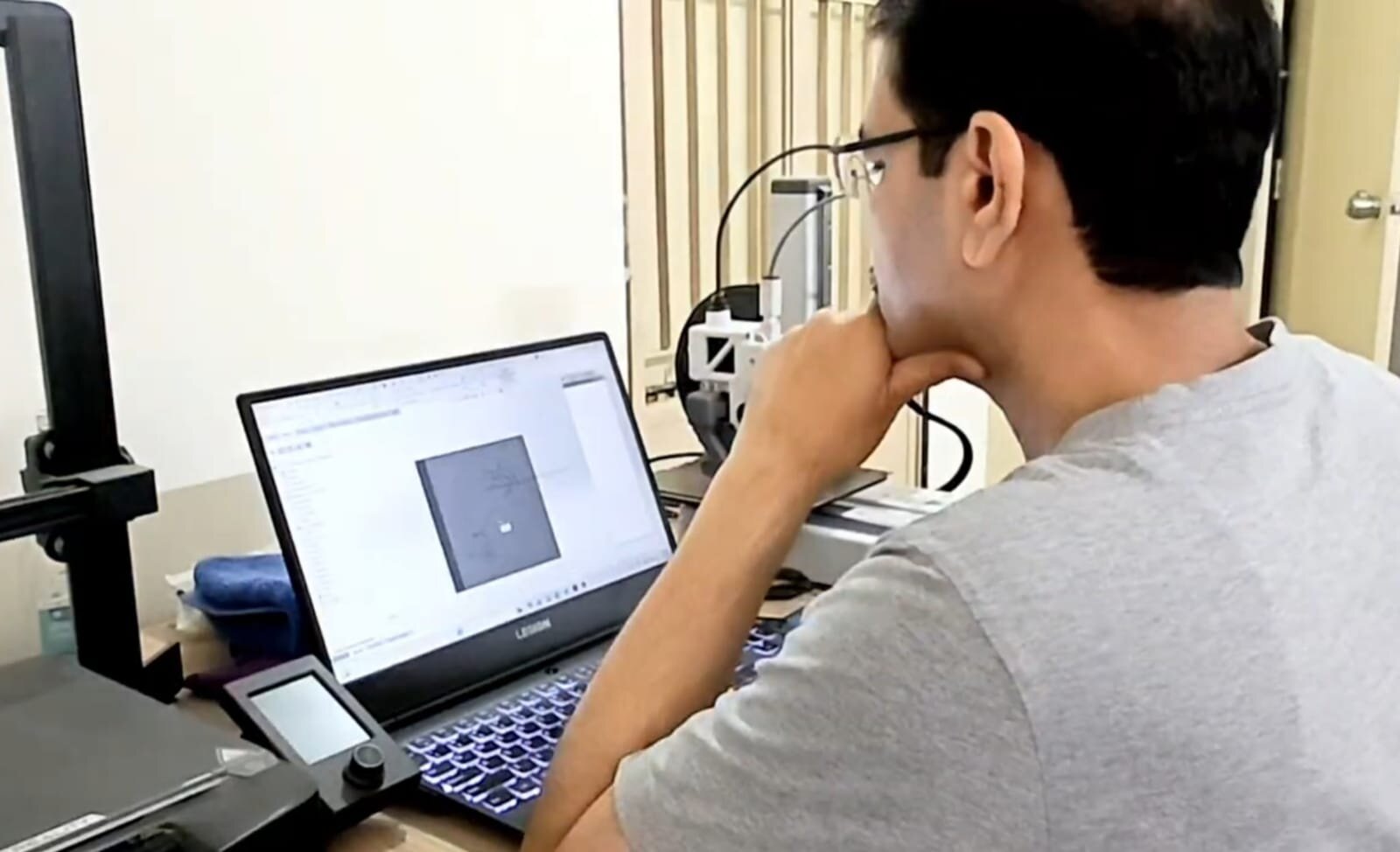
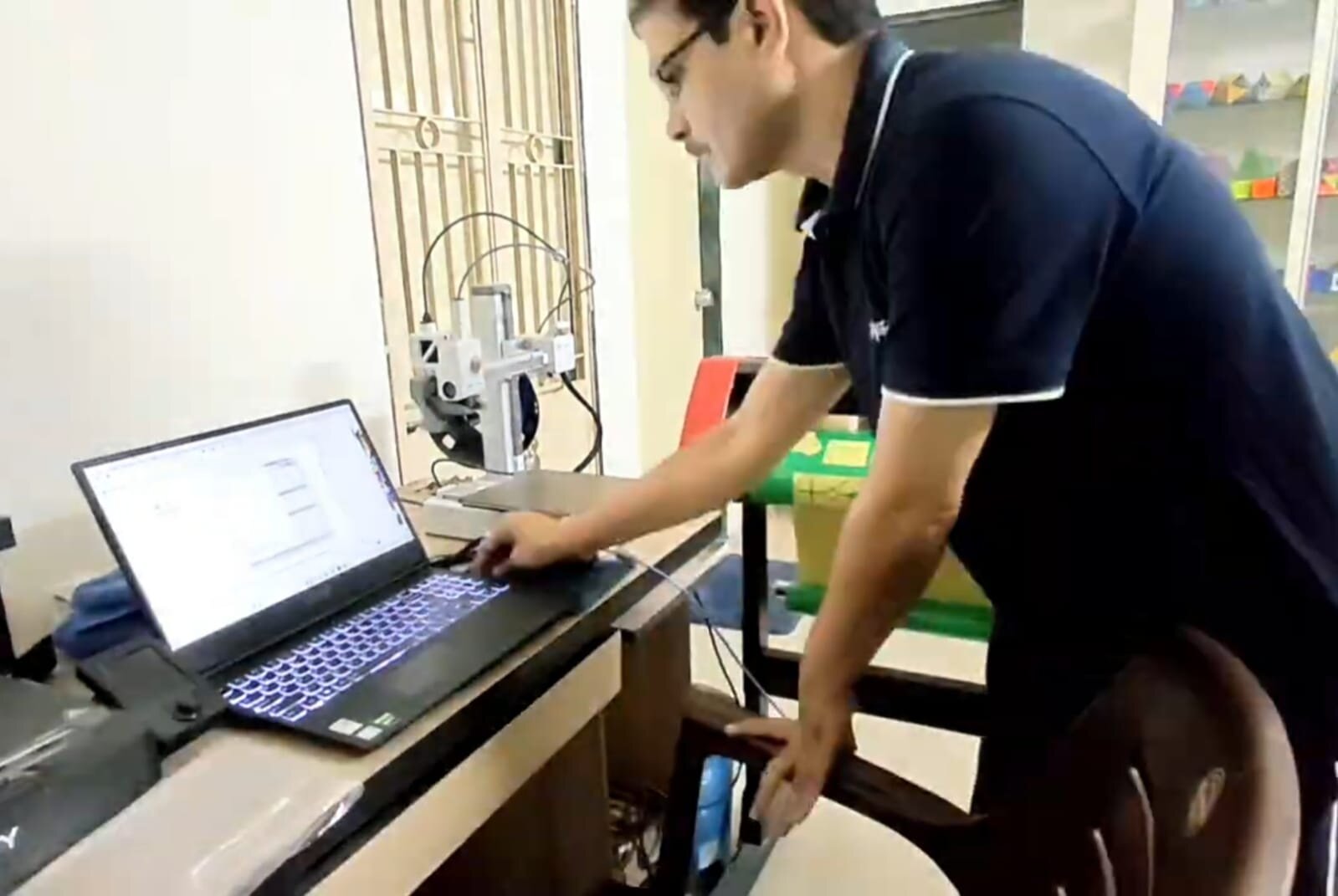
Learning CAD started from absolute zero. I bought a gaming laptop in September 2021, a real financial decision on a media professional’s budget, and had to choose between the two industry-standard programs, Fusion 360 and SolidWorks. I picked SolidWorks for one reason: Gregoire Pfenning’s tutorials, the best resource I’d found for twisty puzzle design specifically, were built around it. If my teacher taught in SolidWorks, that was the software I was going to learn.
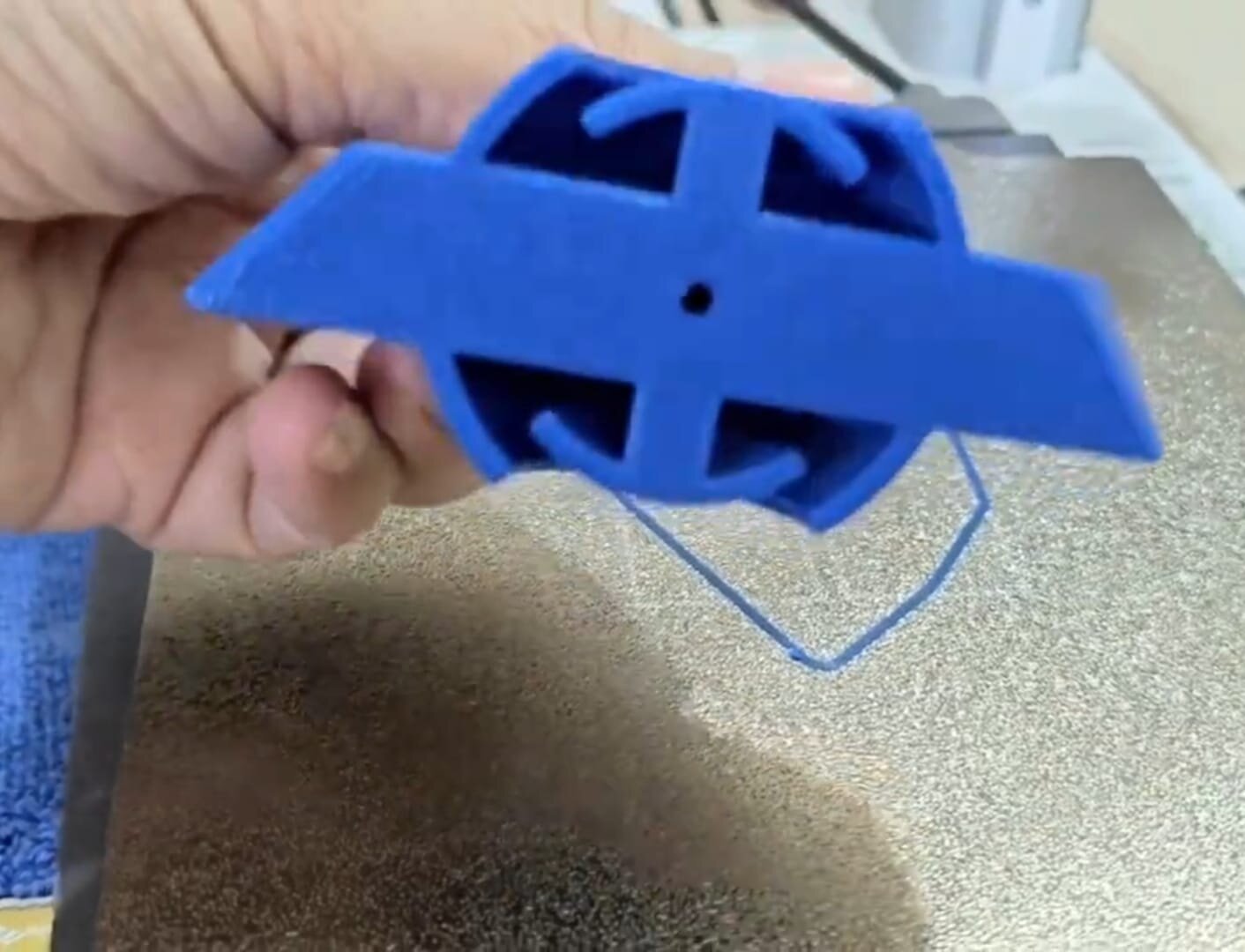
Every design starts with the same questions, and most of them have no readily available answer. What’s the correct axis system for this geometry? Where does a tolerance need to be built in so pieces move freely once assembled, and how much? Which face should sit on the printer bed to minimise support material? Most of those questions only get answered the hard way: printing, failing, examining the failure, adjusting the model, and printing again.
Where Science Meets Art
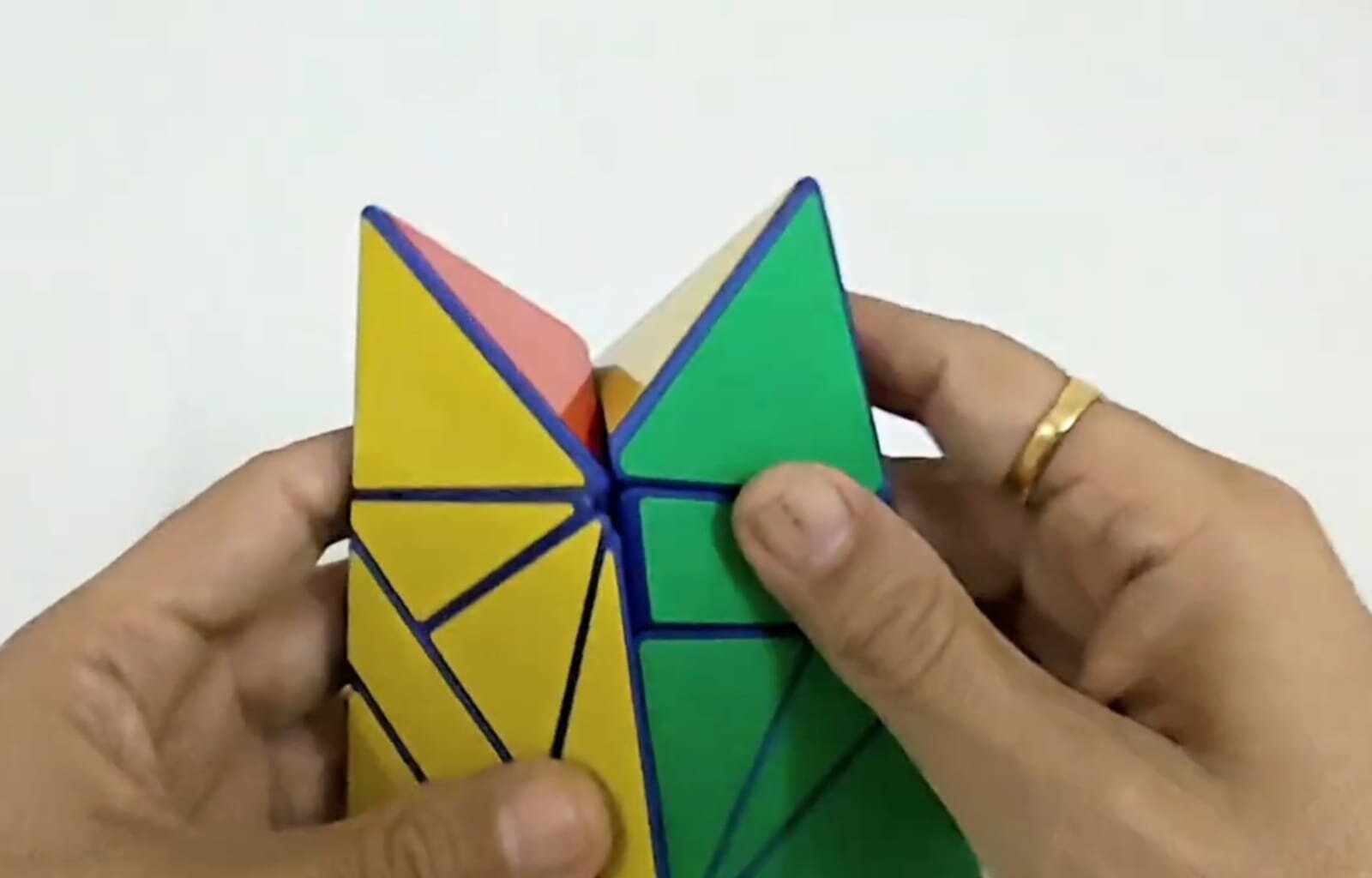
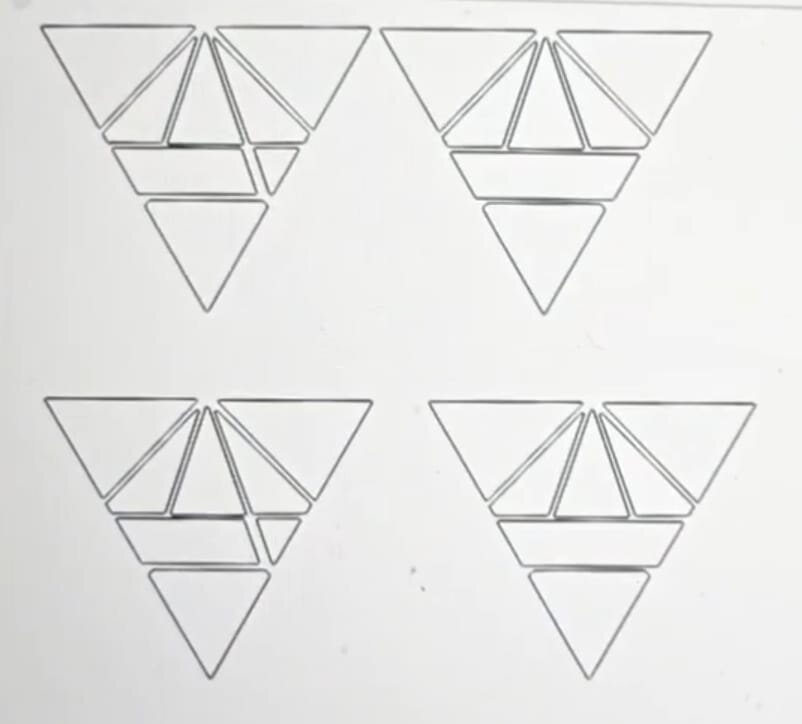
Every axis, every cutting plane, every tolerance has to be calculated to fractions of a millimetre: too tight and the puzzle won’t turn, too loose and it rattles instead of satisfying. That’s only half the job. The other half is deciding which sticker colours make a face legible mid-solve, and which combinations look elegant rather than garish. A puzzle that’s mechanically flawless but ugly is a mechanism, not a puzzle. One that’s beautiful but doesn’t turn smoothly isn’t finished either.
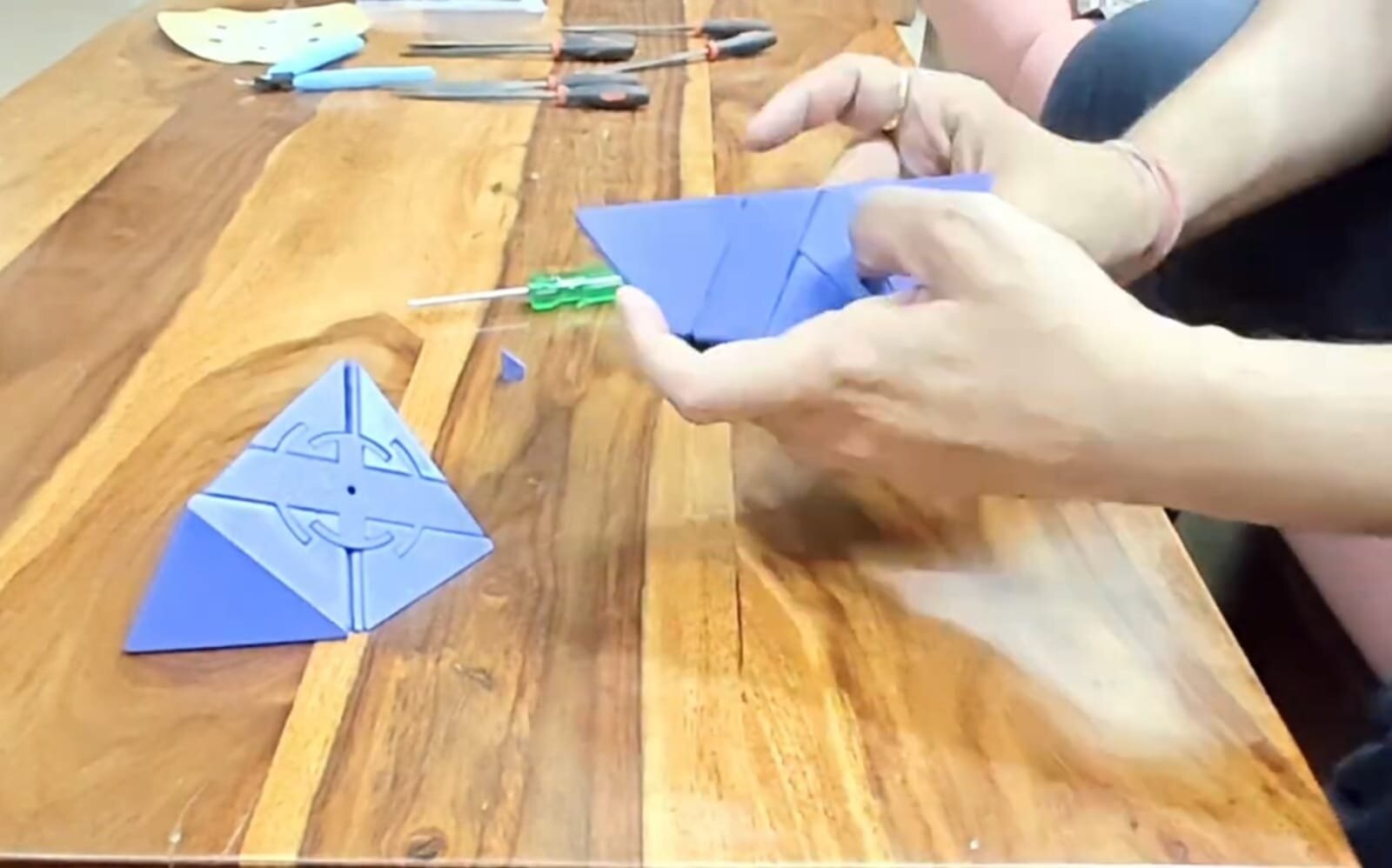
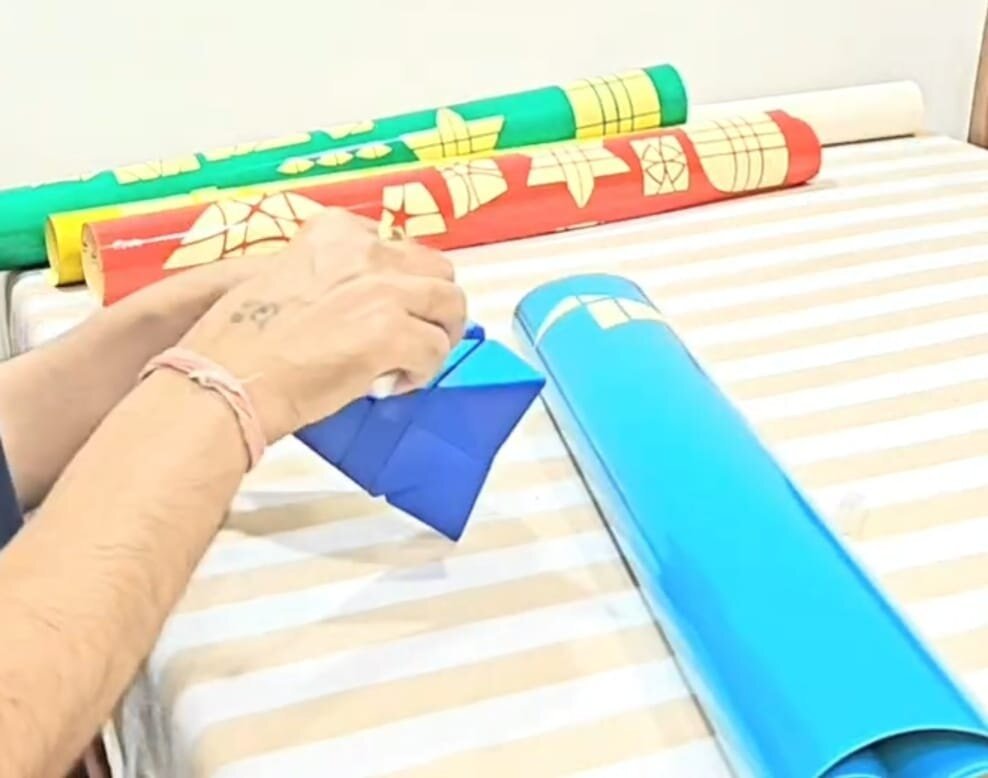
The science without the art gives you something that works but does not sing. The art without the science gives you something that looks extraordinary and cannot be turned.
One Turn at a Time
The Two-in-the-Morning Failures
Not every session ends well, and a process page that only shows the wins isn’t telling the whole truth. Some nights the software simply won’t cooperate, a model that looks flawless on screen turns out to have a flaw invisible digitally but fatal in plastic. Some prints run for three hours and fail in the final minutes, the mechanism binding, a tolerance off by a fraction too small to see and too large to forgive. Those are the two-in-the-morning moments, surrounded by failed prints and tangled filament.
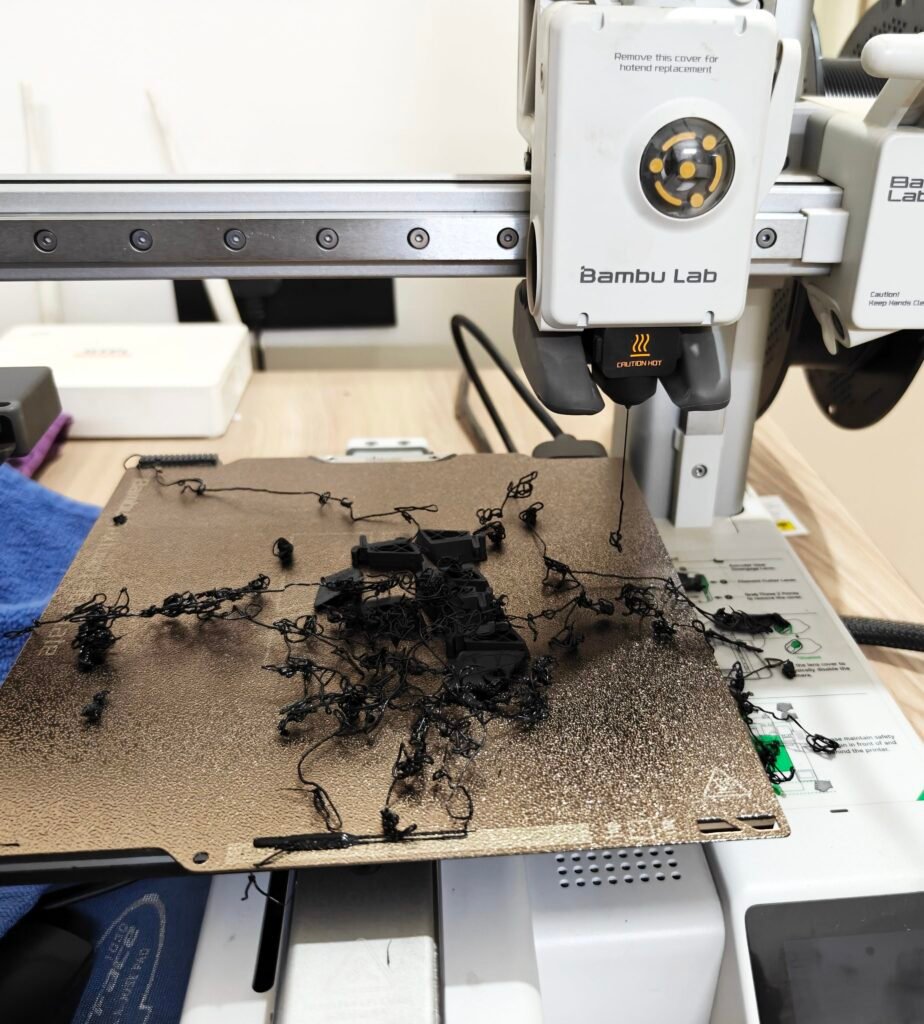
Every problem has the same biography: impossible, until it is not.
One Turn at a Time
The People Who Showed Up
None of this happened in isolation. Harsh Mevada assembled my first 3D printer on my living room floor, and more than once talked me through a problem after nine at night, once sending a replacement slicer file straight to my phone before I’d even finished explaining what had gone wrong. Mr Hasanand gave away silicone lubricant samples freely, the specific grade a mechanism needs to turn smoothly instead of grinding, a detail no tutorial fully covers because every puzzle’s needs are different. Small, practical acts of generosity from people with nothing to gain, and this practice couldn’t have continued without them.
From Prototype to Product
Mass production changes the standard. When Calvin’s Puzzles first approached me, what I felt wasn’t excitement, it was responsibility: a design I could hold and refine until I alone was satisfied was about to be reproduced identically and shipped to thousands of people who’d never get the chance to ask me a question about it. So the bar stopped being “good enough” and became “complete”, every tolerance, every surface, every layer checked one more time before I signed off. The Manish Hexacopter went into production on those terms in 2025 and is now sold in more than eighteen countries. A second design, the Manish Cubo-copter Plus, followed with Calvin’s Puzzles in June 2026 and is sold worldwide.